

How Coaching Is Defined by Culture
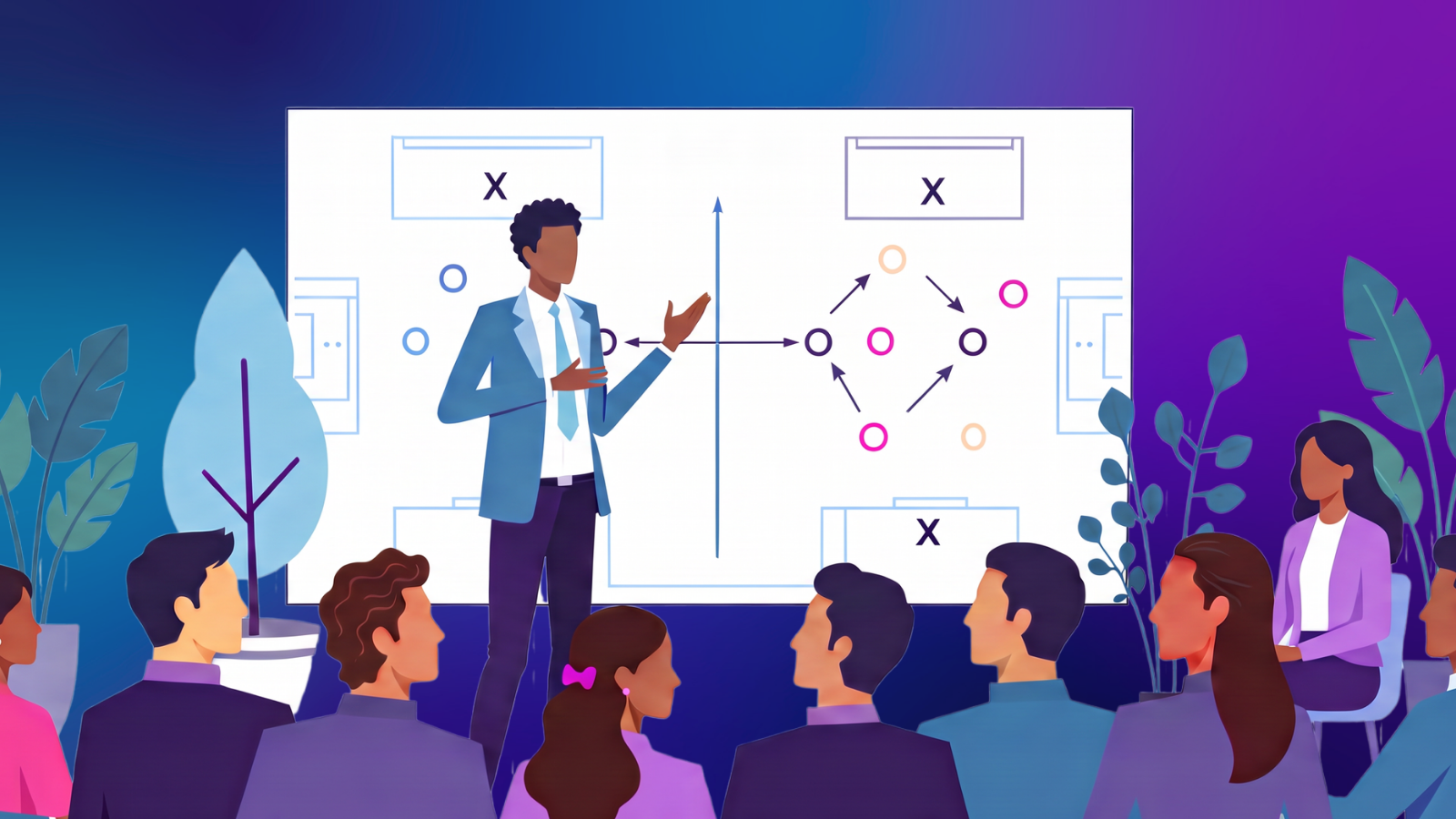
It's a Thursday afternoon, and Josh, a frontline sales manager at a midsize telecom company, opens his first one-on-one of the day. Despite the demands on his time, he knows the distinction between coaching and managing, and strives to contribute to the coaching culture the sales organization is trying to build. In fact, it’s how he starts this first meeting, diving into a skills issue he and Miranda have been meaning to address for several weeks.
Except, during the inevitable small talk, she mentions a crucial deal that’s slipping, so Josh does what he does best: He dives into analysis mode, helping Miranda craft a strategy to get things back on track. The next conversation looks the same, as do the four after that.
I've watched this play out in more sales organizations than I can count, and it points to something many revenue leaders miss. The cause is cultural. It sits in the mix of time, incentives and rewards we build around the manager, a coaching culture that, in most organizations, quietly prizes hitting the number over changing behavior. When that's the culture, even your most capable managers stop coaching, and no amount of training makes a meaningful change.
What a Sales Coaching Culture Actually Is
In contrast to the scenario I described above, a true sales coaching culture is an environment where developing selling behaviors is expected, protected, measured and rewarded, not simply encouraged in a kickoff speech. In a results-only culture, managers are paid to inspect deals, intervene when necessary and report a forecast, so that's what they do. In a coaching culture, they're also accountable for whether their reps get measurably better at the behaviors that produce those results. What separates the two is what the system around a manager actually rewards. In most organizations, that reward flows to closed deals, and the work of developing sellers goes uncounted.
That distinction matters, because culture is what decides what type of coaching conversations your managers are having with their reps. If you’re searching for the mechanics around sales coaching at an organizational level, I’ll point you in the direction of our Sales Coaching Guide. However, in this piece, I want to dive deeper, to investigate the underlying cause behind why so many well-intentioned sales coaching programs quietly evaporate, and how to build a coaching culture where it doesn't.
Why Sales Coaching Fails: The Culture Problem
Ask most sales leaders whether coaching matters, and you'll get an emphatic Yes. We say it in one-on-ones, in performance reviews, at every SKO… then we hand managers a structure where real coaching is close to mathematically impossible, and wonder why behavior never changes.
Let’s start with the math: The average frontline manager now has 12 direct reports, and has only 10 to 40 percent of the week for the people-development work coaching requires. The rest goes to administration, reporting, saving the occasional deal and meetings. So the one-on-one, the place coaching is supposed to live, quietly turns into a deal review.
Now, let’s look at the rep’s view. In most sales organizations, the measure of success is simple: Did you hit your number? Next to no one is measured on whether they got better at discovery, or learned to mulit-thread to a C-suite executive earlier in the sales cycle. So, when a seller sits down for that thirty-minute conversation, the rational move is the one they make every time: get help closing the deal the number depends on. The behavior that would build the skill is the one thing no one is accountable for. And that’s why even the most promising sales coaching programs fail. The culture rewards the deal in front of the rep and the manager and never the development behind it—teams inspect the outcome and hope the behavior takes care of itself.
Coaching vs. Training: Why Leaders and Reps See Things Differently
There's a second tell that the culture is the problem: leaders and reps describe completely different realities. Managers report that they coached the team this week. Leaders report that coaching is happening. Meanwhile, reps admit that training and coaching are happening far less than leadership reports: Our recent research study, “Cutting Through the Noise: Prospecting in the AI Era,” found that 80% of sales leaders said they provide the training their reps need to sell effectively. Only 50% of reps agreed. Likewise, a study by MySalesCoach & Aircall found a similar discrepancy: 90% of leaders said they coach their people every month, yet 38% of reps said they are rarely or never coached.
Across the board, something is being delivered, but nearly half the team doesn't register it as training or coaching.
It helps to be precise about the two words, because a coaching culture depends on both. Training is the transfer of knowledge and skills: the workshop, the course, the certification. Coaching is the ongoing, individualized reinforcement that turns that knowledge into a changed behavior during the next sales call. Training without coaching fades fast—the often-cited estimate is that most of what's taught in a one-time event is gone within weeks. Coaching is what makes it durable, which is precisely why it's the first thing a results-only culture sacrifices.
Evaluating Your Coaching Culture
Before you can change a coaching culture, you have to see it clearly. If you suspect your coaching culture is actually a managing culture in disguise, look for these patterns—they’re dead giveaways:
- Your one-on-ones are pipeline reviews with a different name. If the standing agenda is deal status, coaching isn't happening, whatever the calendar invite says.
- You can't name the behavior each rep is working on. In a coaching culture, a manager can tell you the one skill each seller is developing this quarter. In a results-only culture, they can only tell you the forecast.
- Nothing but the number is measured. If leading indicators like discovery quality, access to power, and quantified business and personal value aren't tracked anywhere, reps rightly conclude they don't matter.
- Training happens, but nothing reinforces it. A strong kickoff or workshop with no follow-up coaching or other reinforcement mechanisms are merely events. As a result, the skills fade, and the culture never moves.
How to Build a Sales Coaching Culture that Sticks
Here’s the good news: This doesn't take a huge initiative that will slow down your sales org. In my experience, culture moves in degrees, through what individuals do week to week. A few deliberate shifts change what your system actually rewards. Here’s where to start:
For sales leaders
- Measure leading indicators tied to real skill gaps, and make sure reps know they're measured. Pick one or two behaviors that predict the number, like multi-threading to a C-suite contact within 60 days, or telling value-based stories during discovery calls. When a behavior is tracked openly, sellers spend their development time on it instead of only on the deal.
- Separate the deal review from the coaching. Pipeline reviews are real work and they have to happen. But if those are the only conversations, coaching never gets one of its own. Protect a smaller, separate block for skill development, and coach a single behavior in it.
- Point AI at the coaching itself. Most teams have aimed AI at drafting emails and researching accounts. Yet as early as 2024, our research with Aberdeen found that teams pairing AI with human-led coaching saw 3.3x greater year-over-year growth in quota attainment, and Salesforce's 2026 research reports that three in four sellers are more likely to hit target with a coach. The opening most teams have left untouched is using AI to coach the skill as it surfaces on real calls, the case we make in our AI in Sales Guide and in AI Sales Coaching vs. Human Sales Coaching.
For reps
- Come to your one-on-one with a skill you want to build. Pick one thing you want to get better at, a discovery call that stalled or an executive conversation that didn't land, and ask your manager to coach it. Asking for help with a deal is easy; the help on the skill is what pays off in every deal after it.
- Ask for the coaching you're not getting. If your one-on-ones have quietly become status updates, say so. The reps who ask for coaching tend to improve faster than the ones who wait to be offered it.
- Study your own patterns. Take a hard look at what's shown up across your deals over the last six months. Most of us rate ourselves higher than our managers do, and that's human. But if you assume nothing's broken, you give yourself nothing to work on.
The Culture Is the Strategy
Building a sales coaching culture comes down to two moves, and neither will grind your GTM motions to a halt: make coaching possible to do, and make it worth doing. That means protecting the time and rewarding the behavior before the revenue shows up. Do that, and coaching stops depending on whether a manager can steal thirty minutes on a Thursday, and starts producing a team that methodically develops the selling behaviors that matter most. Ultimately, the number at the end of the quarter is mostly decided by the behaviors that came before it. By deliberately building a coaching culture, you systematize the development of those behaviors, and the results naturally follow.
Frequently Asked Questions
Why doesn't sales coaching stick?
Sales coaching usually fails for a cultural reason rather than a skill one. When managers are measured and rewarded only on hitting the number, and carry too many reps to develop each one, one-on-ones default to deal triage. The behavior change never gets inspected, so it never takes hold.
What's the difference between sales coaching and training?
Training transfers knowledge and skills through workshops, courses, or certification. Coaching is the ongoing, individualized reinforcement that turns that knowledge into changed behavior in live selling. Training without coaching fades quickly. Coaching and other reinforcement layers are what make behavior change possible and durable.
How do you build a coaching culture in sales?
Make coaching both possible and rewarded. Protect coaching time separately from pipeline reviews, measure one or two leading behaviors that predict revenue and tell reps they're measured on them, and pair AI with human coaching so managers can develop skills at scale. Small, repeated actions are what shift the culture over time.
Share this post


About the Author

Explore More
.png)